
Washington
Overview
Washington has long been a clean energy leader, thanks to generations of abundant hydropower and its early adoption of a clean energy policy stance. Today, the state is charting an ambitious path toward a 100% clean grid – but turning that ambition into new projects on the ground remains one of its biggest challenges.
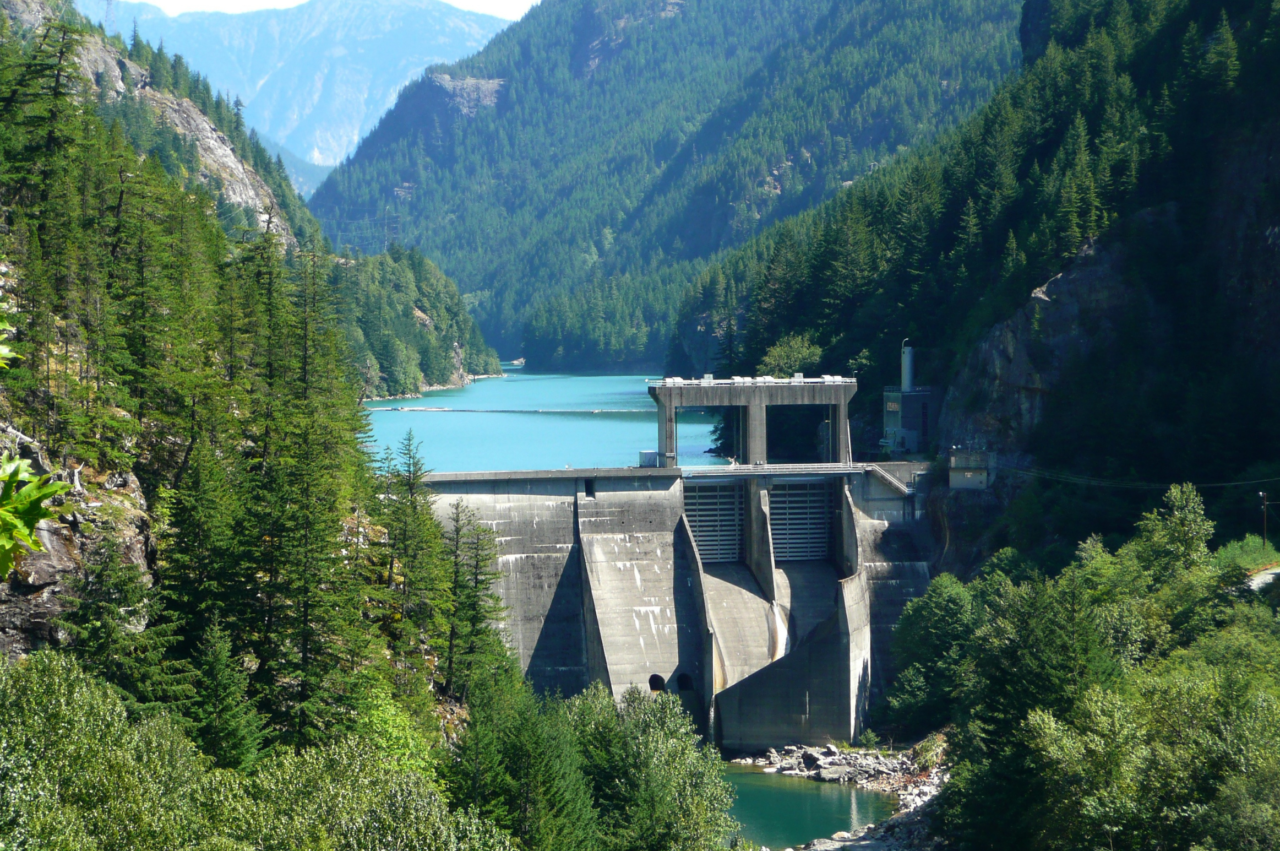
Washington's Energy Portfolio
Washington's electricity has historically come from one dominant source: hydropower, which still supplies 63% of the state's power today. Natural gas (16%), wind (8%), and nuclear (8%) round out the bulk of the mix, with coal (3%), biomass (1%), and solar and other resources (together less than 1%) making up the rest.
As demand for electricity grows rapidly across the state, Washington is increasingly looking beyond hydro to build out new wind, solar, storage, and geothermal resources.
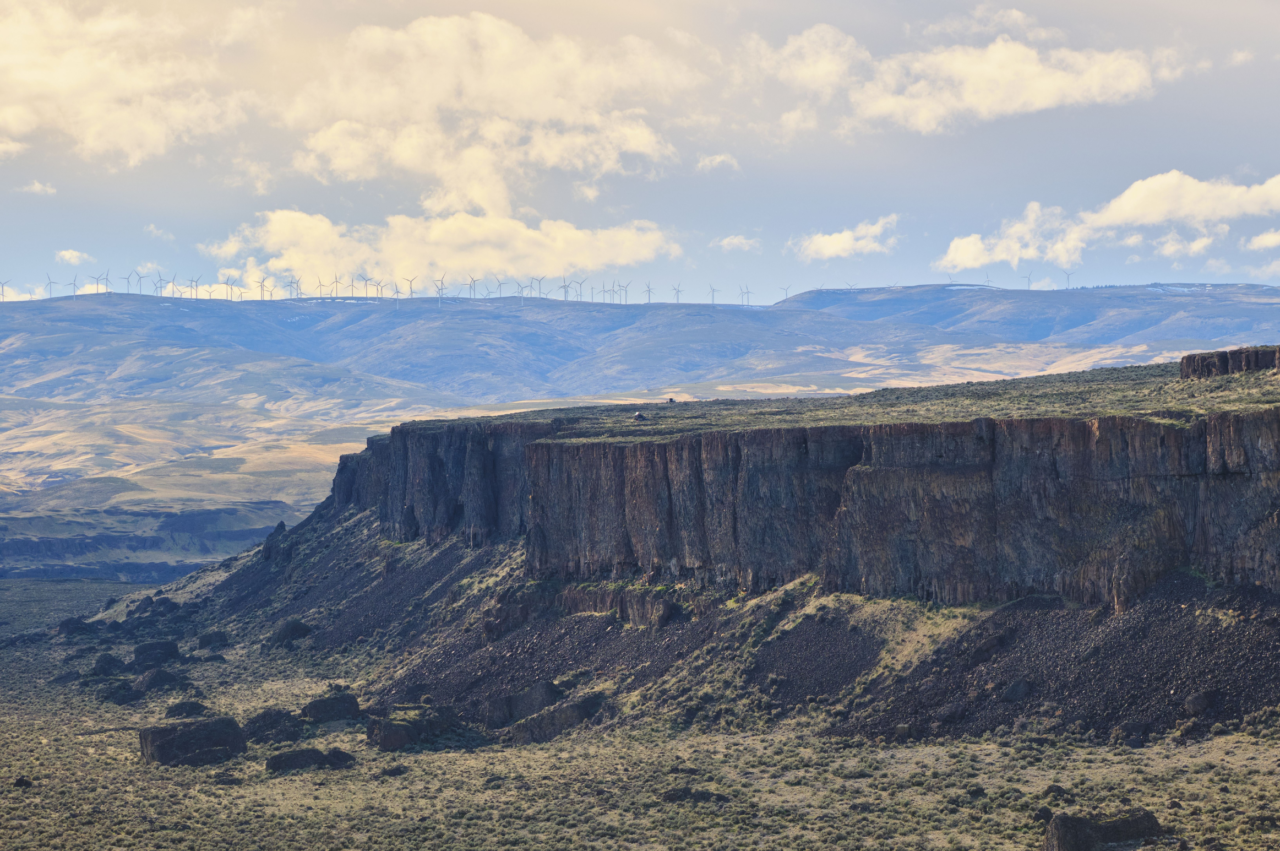
A Region of Untapped Potential
Much of Washington's electricity demand comes from the west of the Cascades. But it is eastern Washington (with some of the best wind and solar resources in the Northwest) that holds much of the state's untapped clean energy potential. Batteries on the West side of the state would help smooth out demand and make the most of the state’s clean energy resource potential. Unlocking these resources - and providing benefits to host communities through workforce development and other economic developments - will be critical to meeting the state's rising electricity demand and ensuring reliability.
Washington’s Policy Landscape
Washington has set some of the most ambitious clean energy laws in the country, but it's also often cited as one of the slowest states to actually permit and build new clean energy. At the center of those mandates is the Clean Energy Transformation Act (CETA), passed in 2019 with RNW's support, which puts Washington on a legally binding path to a carbon-free grid.
2019
With advocacy from RNW, Washington passed the Clean Energy Transformation Act (CETA), setting the state on a legally binding path to a carbon-free electricity grid.

By 2025
All coal-fired resources must be eliminated from the state’s electricity supply.
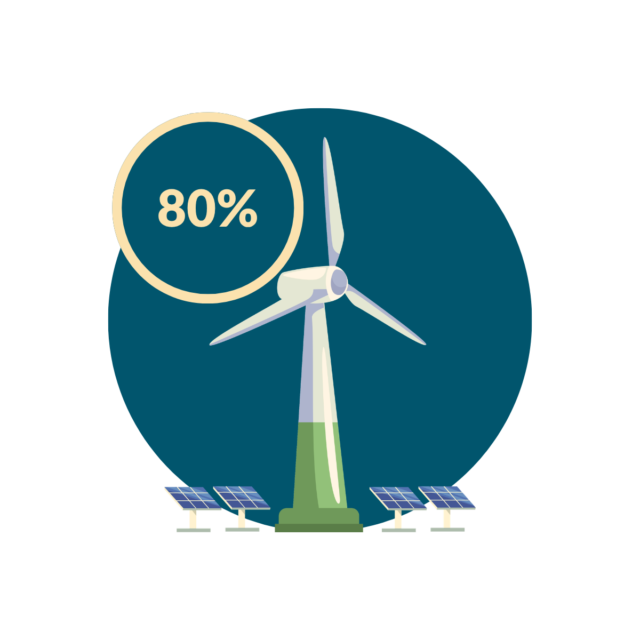
By 2030
Utilities must reach 80% non-emitting electricity and achieve greenhouse gas neutrality overall, offsetting the remaining 20% through renewable energy credits, alternative compliance payments, or direct investments.
By 2045
Washington’s grid must be 100% clean, with no offsets allowed.
Transmission Landscape
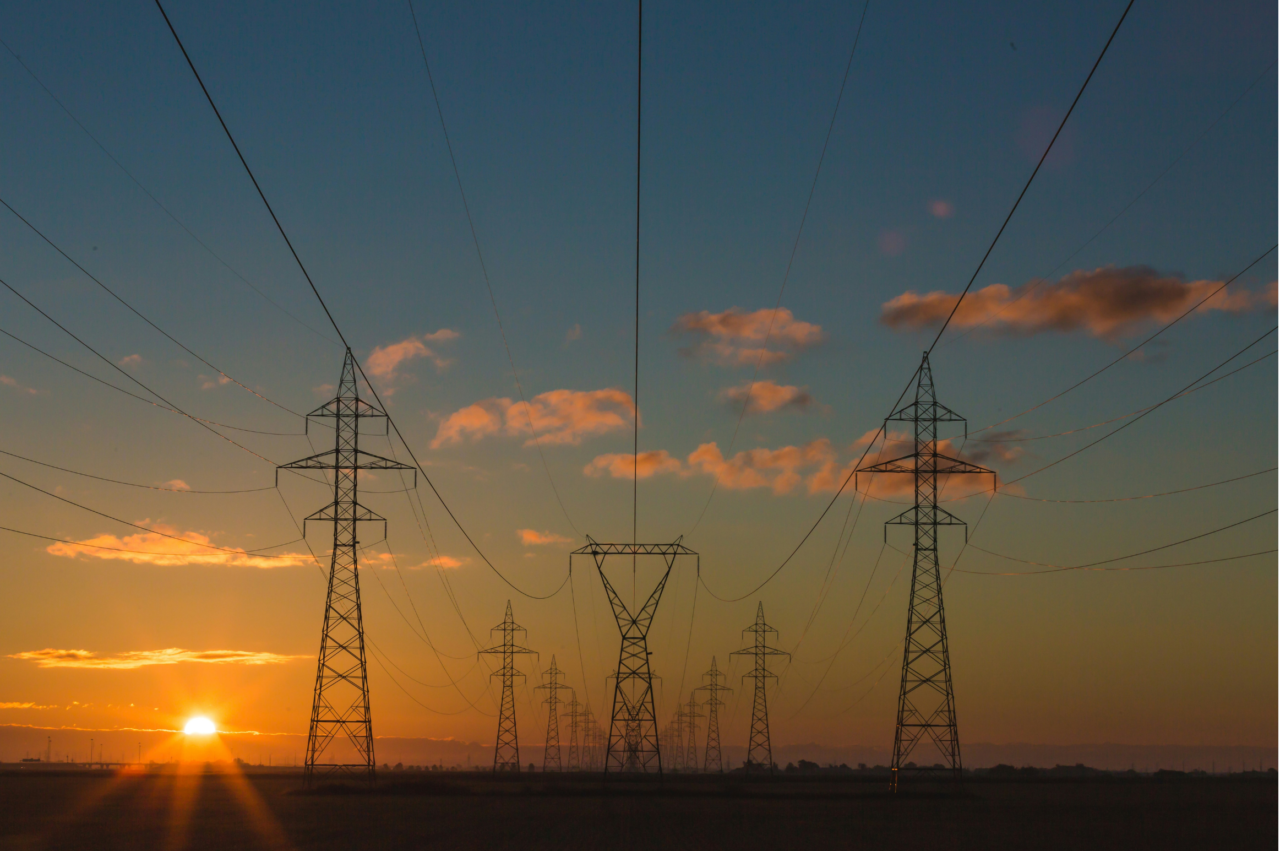
Even well-sited projects can stall without the infrastructure to connect them to the grid. The Bonneville Power Administration owns and operates roughly 75% of Washington's existing transmission infrastructure and faces a significant backlog of projects waiting to interconnect. Expanded cross-Cascades transmission capacity will be critical to ensuring new clean generation can be delivered to load centers in the state. Regionally, Western states will need an estimated $60 billion in new transmission investment by 2035 to avoid major reliability problems.
Where RNW Comes In
RNW works across Washington to close the gap between clean energy ambition and reality: implementing and defending CETA, streamlining siting and permitting processes, supporting transmission buildout, and helping ensure the state's clean energy transition is affordable and reliable for everyone. We work closely with our developer members to help shape how projects get built, balancing that work with the public interest through our advocacy.