
BESS Toolkit
A guide for understanding how BESS works, why it's becoming more common, and how safety, siting, emergency response, local review, and community priorities fit together.
Explore The Toolkit
This toolkit is designed to help local elected officials, planning commissioners, staff, emergency responders, and community leaders understand what BESS is, what questions to ask, and how to evaluate projects using clear information, applicable standards, and local priorities.
About BESS
BESS helps save electricity for later so it can be used when demand is higher, the grid is under stress, or power would otherwise be more expensive.
What Is BESS?
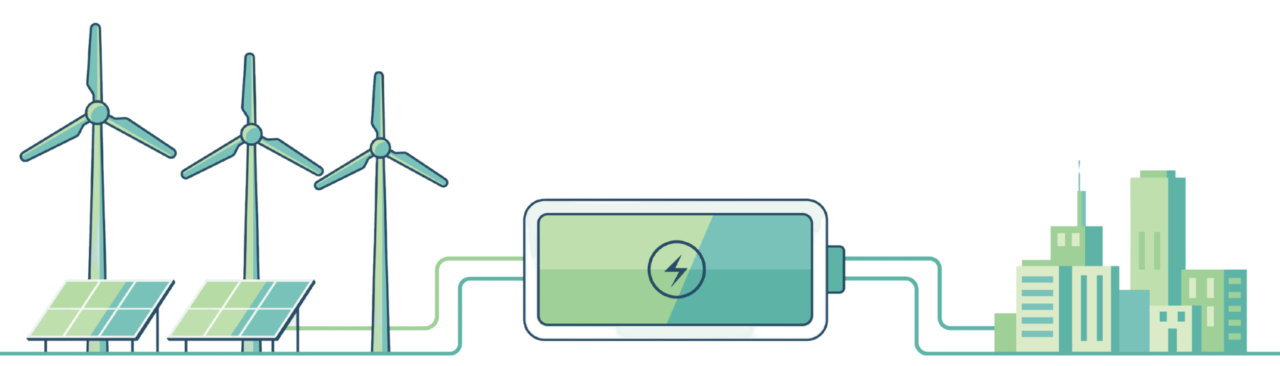
Battery energy storage systems, often referred to as BESS, store electricity for later use.
When electricity generation exceeds demand, electricity from all energy sources, including wind, solar, hydropower, geothermal, and natural gas, can be stored in batteries and discharged when additional power is needed.
How Does BESS Work?
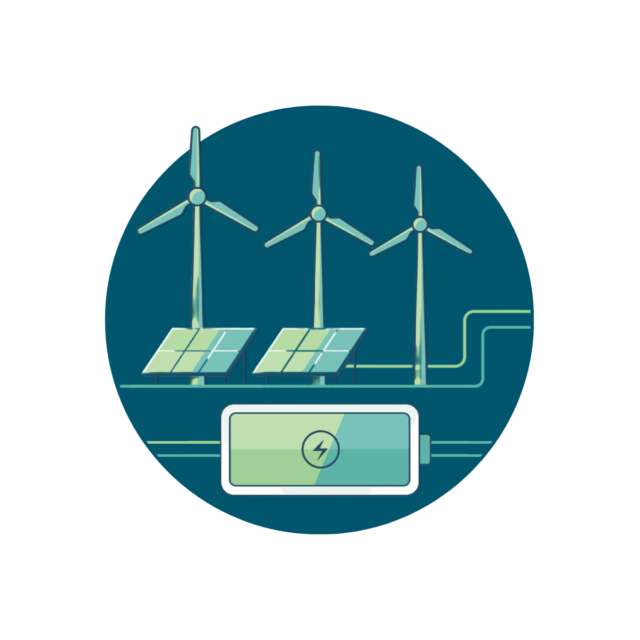
BESS charges by taking electricity from the grid or nearby energy resources and storing it in battery cells. When energy demand increases, or when additional power is needed, the system can discharge stored electricity back to the grid quickly.
BESS In The PNW
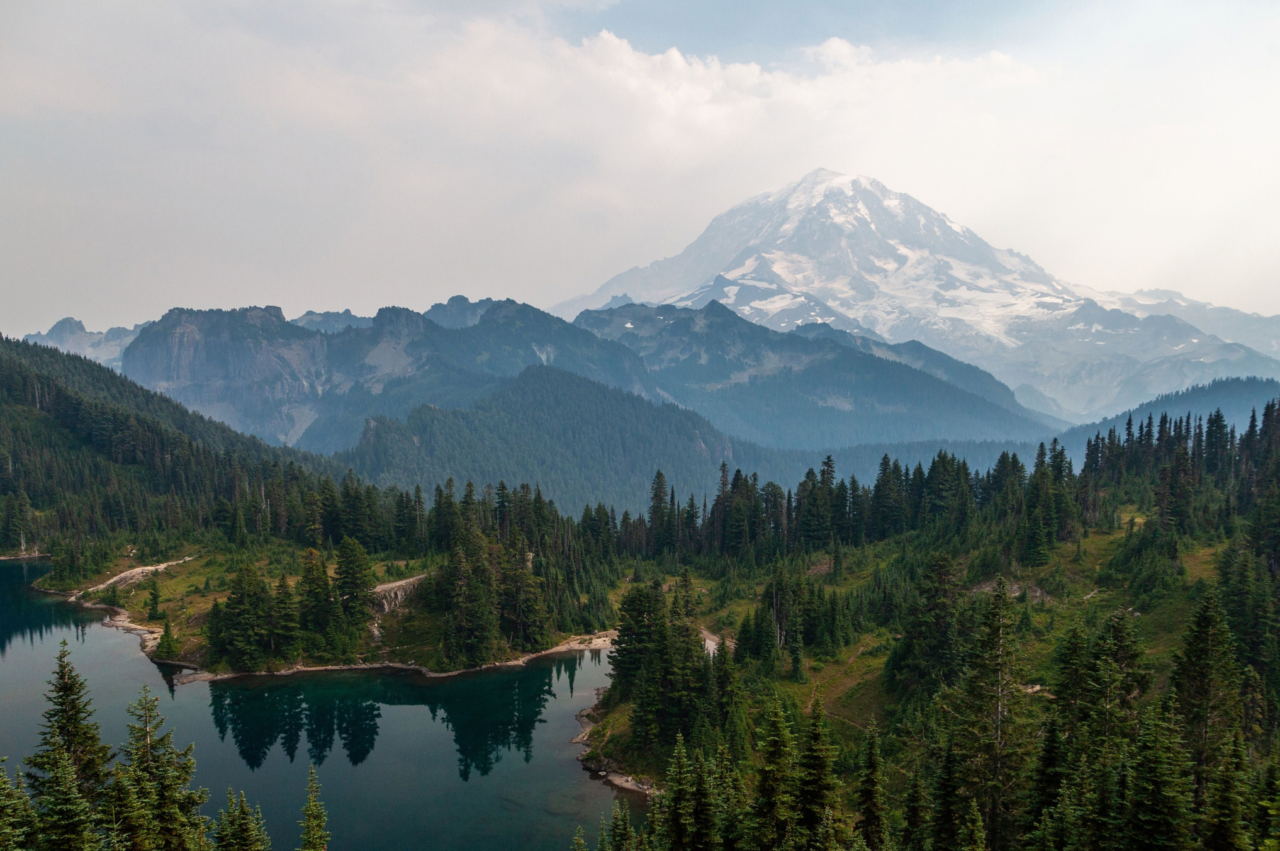
BESS is increasingly being evaluated as part of long-term planning across Oregon, Washington, Idaho, and Montana. Projects in the region may serve different purposes, including managing peak demand, supporting local reliability, making better use of existing infrastructure, integrating energy resources, and helping avoid or defer certain grid investments.
This regional growth reflects a broader shift: BESS is moving from an emerging technology discussion to a practical infrastructure tool that utilities, public power providers, rural electric cooperatives, and grid operators are considering as part of future grid planning.