News and Updates

Rows of green grapevines stretch across a rolling hillside with trees lining the upper edge of the vineyard.
For many years, RNW has been engaged in conversations on Oregon's land use, and we’ve often found that the same words can mean very different things to different people. For example, terms like "farmland" and "agricultural land" are used interchangeably in these conversations, but as we explain below, these terms can refer to different categories of land. That ambiguity has consequences, and so to better understand these questions, we dug in. Here’s what we found.
A panoramic view of rolling hills covered in dry grass under a partly cloudy blue sky.
Renewable Northwest's Director of Montana and Idaho, Kyle Unruh, was recently quoted in a NewsData article covering public feedback on NorthWestern Energy’s draft 2026 Montana Integrated Resource Plan
Transmission towers and power lines
The WestTEC 10 Year Report identifies essential transmission corridors for the Pacific Northwest. As demand grows and our grid faces strain, this regional study provides the roadmap for building the infrastructure we need for a reliable, affordable, and clean energy future.
A river snakes through the Columbia gorge
As extreme weather events become more frequent and severe, the Pacific Northwest is facing heightened risk of power outages from downed or de-energized lines and damaged equipment. At the same time, recent studies project that the region could face a supply shortfall before 2030, indicating that there may not be enough generation to meet demand under all conditions. Together, extreme weather, growing demand, and a changing resource mix are placing greater stress on the system, which has prompted a robust discussion among policymakers about how best to ensure reliability while maintaining affordability.
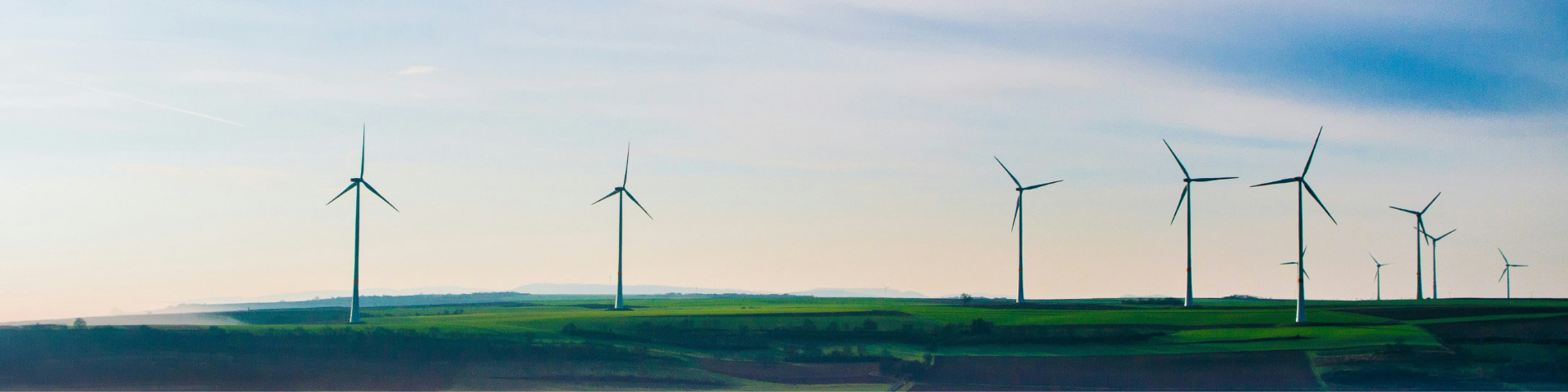
wind turbines against a field

As we look back at 2025, here’s a quick look at the RNW content that people were reading, saving, and keep coming back to.

Transmission towers silhouetted by a blue and orange sunrise or sunset.

Diane Brandt, Policy and Legislative Affairs Director at Renewable Northwest, was quoted in Public News Service's story, Oregon officials double down on clean energy goals. 

solar arrays against a blue sky
Aaron Menenberg, Renewable Northwest's Idaho Policy Manager, was featured on The Ranch Podcast to discuss the recent decision that was made by the Ada County Commissioners regarding solar farms on existing ag farms in the county limits.
map of oregon
Oregon Governor Tina Kotek has announced Executive Order 25-29, focused on accelerating the clean energy transition. RNW was quoted in the press release and Executive Director Nicole Hughes spoke at the press conference alongside RNW board members Tim Miller and Nora Apter.
A birds-eye view of solar panels on a field with a dark blue overlay
Washington boasts some of the most ambitious clean energy targets in the country. Based on our climate laws, clear public support to transition to clean energy, and abundant wind and solar resources, Washington state should be a national leader, building hundreds of megawatts of clean energy per year. Instead, we’re 50th out of 50 states for new clean energy development. Announcements of completed projects have all but ground to a halt. What is going on?
transmission lines against a cotton candy-colored sunset
The Northwest has abundant wind, solar, and other clean energy resources ready to fuel our economy and power communities. But a critical challenge is standing in the way of energy growth and economic opportunity is transmission. Without new lines and expanding capacity, clean energy projects stall, communities lose jobs and revenue, and our region’s ability to attract industry and investment is limited. Understanding the hurdles to building transmission, and how states can step in to solve them, is key to unlocking the Northwest’s energy and economic potential.
Copyright © 2026 Renewable Northwest